Kailash Mansarovar Yatra – 15 Days
Tibet, ChinaSacred Journey

Kailash Mansarovar Yatra – 15 Days

Travel across the Tibetan Plateau to Lhasa, Shigatse, Saga, Lake Manasarovar, and Mount Kailash. This guided journey combines Buddhist heritage, Himalayan landscapes, sacred pilgrimage sites, and the unforgettable Kailash kora.

15 DaysMax 12Tibet, China
Inquiry

Key Information

Duration
15 Days
Difficulty
Difficult
Start Point
Kathmandu
Group Size
12
Max Altitude
5,630m / 18,471ft at Drolma La Pass
Activity
Pilgrimage Tour

Kailash Mansarovar Yatra – 15 Days is a professionally planned Tibet journey combining cultural exploration, high-altitude overland travel, and the sacred Mount Kailash kora. The trip begins with preparation in Kathmandu before entering Tibet and continuing through Lhasa, Shigatse, Saga, Lake Manasarovar, Darchen, and the Kailash region.

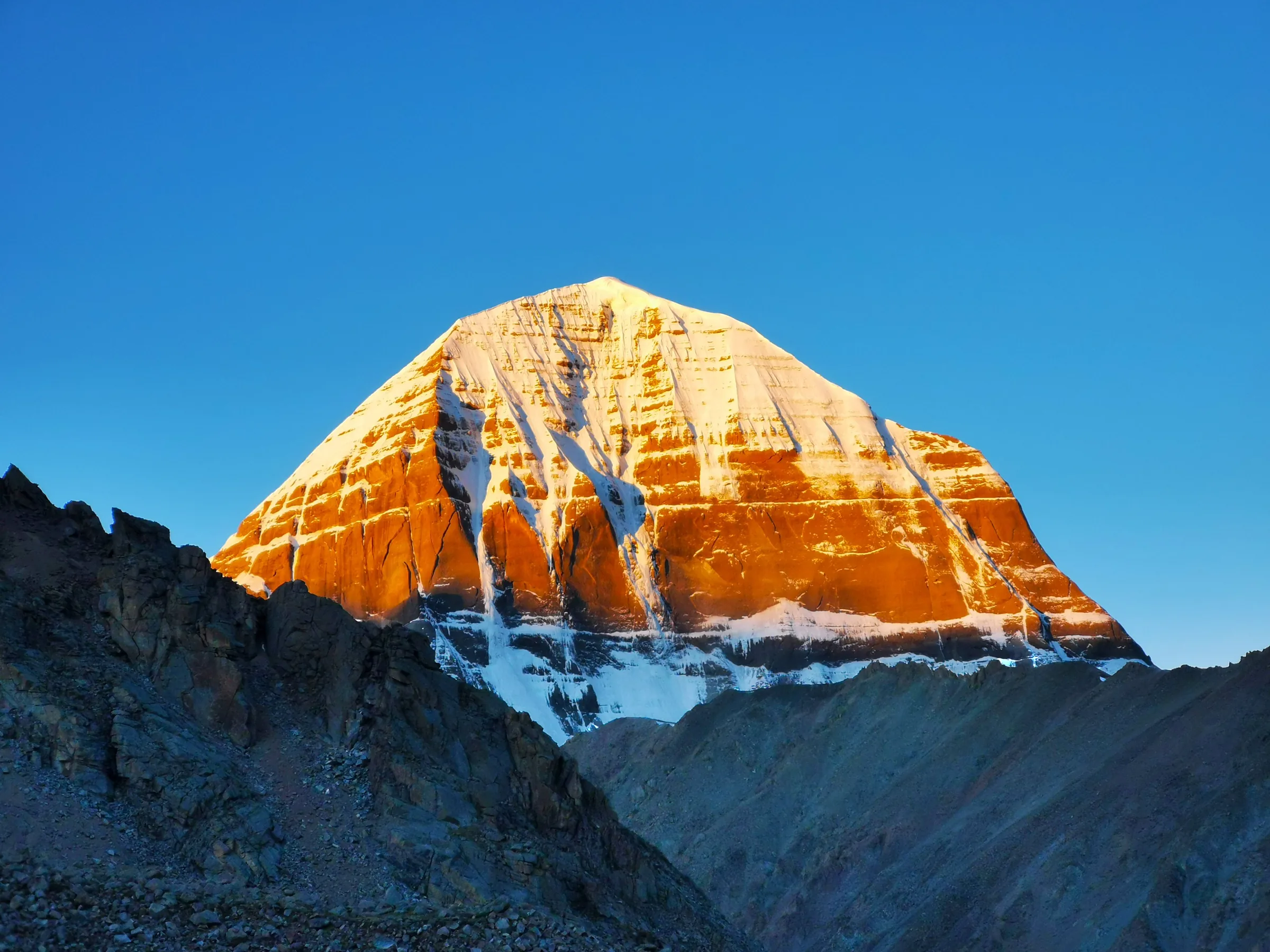
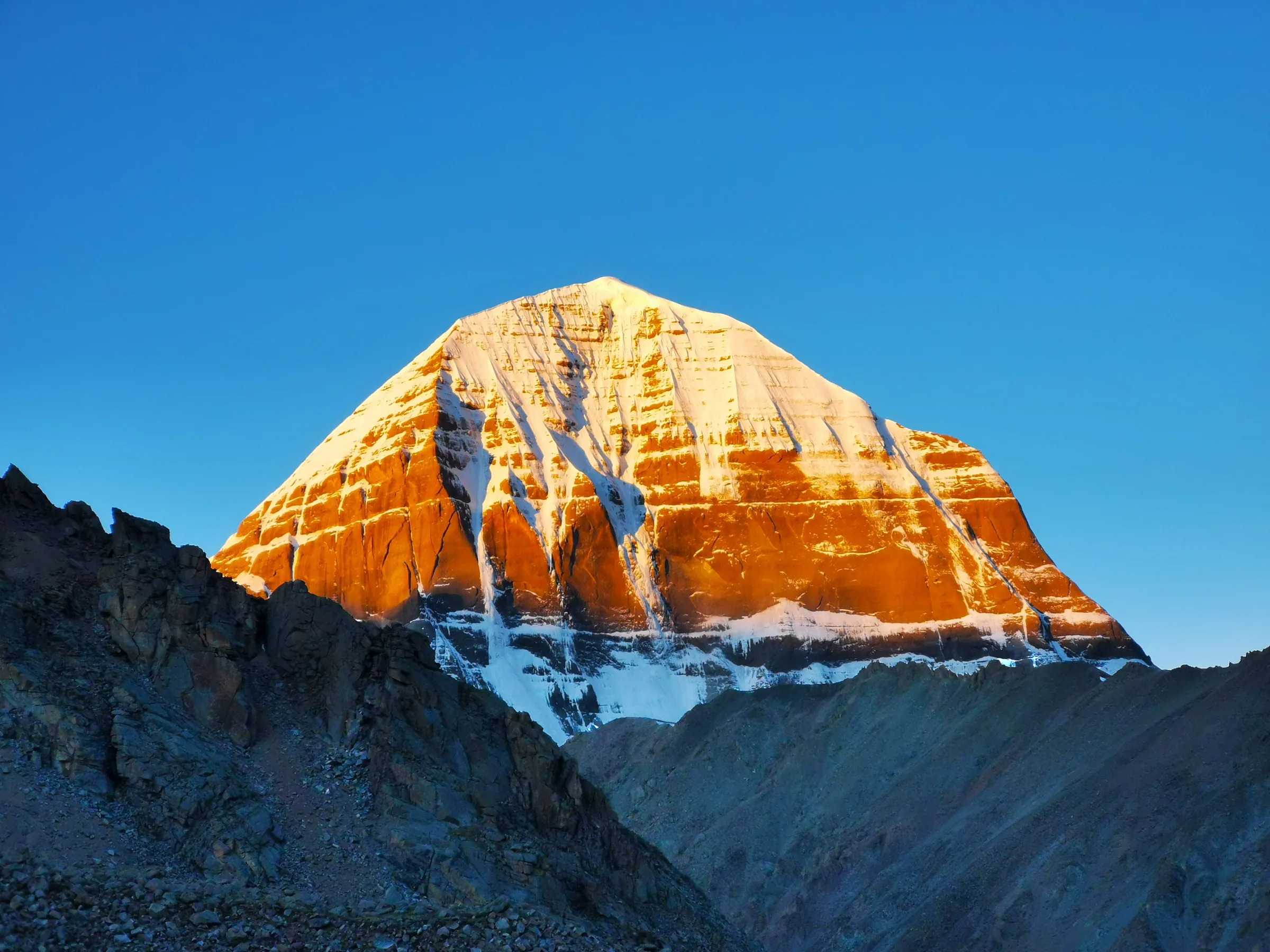
Mount Kailash is considered sacred by Hindu, Buddhist, Jain, and Bon traditions. For Hindus, it is the abode of Lord Shiva; for Buddhists, it is the dwelling of Demchok; Jains revere it as the site where Rishabhanatha attained liberation; and Bonpos regard it as the seat of spiritual power. Lake Manasarovar, one of the world’s highest freshwater lakes, is equally revered for its spiritual significance and extraordinary Himalayan setting.

Highlights of The Sacred Landscape and Spiritual Significance

  • Explore Lhasa, Potala Palace, Jokhang Temple, and Barkhor Street
  • Visit Shigatse and Tashilhunpo Monastery
  • Experience Lake Manasarovar and views of Mount Kailash
  • Complete the three-day Kailash kora with Drolma La Pass
Itinerary Design and Acclimatization

This itinerary is designed with acclimatization, realistic driving stages, and guided support. We spend two full days in Lhasa (3,650 m) to help your body adjust before heading higher. The drive to Saga and then to Manasarovar is gradual, with overnight stays at progressively increasing altitudes.

The Kailash kora itself is spread over three days, with the most demanding section crossing Drolma La at 5,630 m. Our guides are trained to monitor your health and adjust the pace accordingly. Travelers should be prepared for high altitude, basic remote facilities, long road journeys, and changing permit conditions.

Highlights of Itinerary Design and Acclimatization

  • Gradual acclimatization with 2 nights in Lhasa
  • Short driving days with rest stops
  • Three‑day kora with support from local guides
  • Emergency oxygen and first‑aid available

Why Choose This Kailash Mansarovar Yatra?

We combine local expertise, responsible travel practices, and a deep respect for the spiritual nature of the journey. Our long‑term relationships with Tibet‑based partners ensure smoother permit processing and on‑ground logistics.

Small group sizes (max 12) allow for a more personal experience. We provide pre‑trip preparation materials, gear advice, and 24/7 emergency support from our Kathmandu office. Our guides are certified, English‑speaking Tibetans with extensive experience on the Kailash circuit.

Highlights of Why Choose This Kailash Mansarovar Yatra?

  • Licensed Tibetan guide and experienced driver
  • Permit handling and documentation support
  • Private vehicle throughout Tibet
  • Accommodation in comfortable guesthouses and hotels

Highlights

  • Visit the sacred Mount Kailash and Lake Manasarovar
  • Complete the three-day Kailash kora around one of Asia’s holiest mountains
  • Cross Drolma La Pass at approximately 5,630 meters
  • Explore Lhasa’s Potala Palace, Jokhang Temple, and Barkhor pilgrimage circuit
  • Visit Tashilhunpo Monastery in Shigatse
  • Drive across the vast Tibetan Plateau with dramatic Himalayan views
  • Experience Tibetan Buddhist culture, monasteries, prayer flags, and highland villages
  • Professionally managed permits, route planning, and local ground support

Itinerary

15 days

Arrive in Kathmandu and transfer to your hotel. Meet the team for trip briefing, document checks, and preparation for Tibet visa and permit processing.

Duration

Arrival day

Meals

Welcome dinner

Complete final documentation and enjoy guided sightseeing around Kathmandu’s major cultural landmarks. Prepare clothing, medicine, and travel essentials for Tibet.

Duration

Full day

Meals

Breakfast

Fly to Lhasa and transfer to the hotel. Rest and hydrate for acclimatization at high altitude.

Duration

1.5 hour flight plus transfer

Meals

Breakfast

Visit Potala Palace, Jokhang Temple, and Barkhor Street. These sites introduce Tibet’s spiritual, architectural, and cultural heritage.

Duration

Full day

Meals

Breakfast

Explore important monasteries around Lhasa while continuing gradual acclimatization before the overland journey west.

Duration

Full day

Meals

Breakfast

Drive across the Tibetan Plateau to Shigatse. Visit Tashilhunpo Monastery if time permits.

Duration

6–7 hours

Distance

Approx. 270 km

Meals

Breakfast

Continue west through highland scenery, open valleys, and remote Tibetan settlements to Saga.

Duration

7–8 hours

Distance

Approx. 450 km

Meals

Breakfast

Travel toward the sacred Lake Manasarovar region. On clear days, the first views of Mount Kailash are unforgettable.

Duration

7–8 hours

Distance

Approx. 450 km

Meals

Breakfast

Spend time around Lake Manasarovar for spiritual reflection and photography, then drive to Darchen, the base town for the Kailash kora.

Duration

3–4 hours

Distance

Approx. 110 km

Meals

Breakfast

Begin the Kailash kora and walk toward Dirapuk. The north face of Mount Kailash becomes increasingly prominent along the route.

Duration

5–6 hours walking

Distance

Approx. 13 km

Meals

Breakfast

The most demanding day of the journey. Cross Drolma La Pass at about 5,630 meters before descending toward Zutulpuk.

Duration

8–10 hours walking

Distance

Approx. 22 km

Meals

Breakfast

Complete the final section of the kora and return to Darchen. After lunch, drive back toward Saga.

Duration

3–4 hours walking plus drive

Distance

Approx. 12 km walking

Meals

Breakfast

Retrace the overland route east across Tibet’s wide plateau landscapes toward Shigatse.

Duration

7–8 hours

Distance

Approx. 450 km

Meals

Breakfast

Return to Lhasa and enjoy a final evening in Tibet.

Duration

6–7 hours

Distance

Approx. 270 km

Meals

Breakfast

Transfer to the airport or train station for onward travel. Trip concludes.

Duration

Departure day

Meals

Breakfast

Cost Details

Transparent pricing with no hidden costs

Includes

  • Tibet Travel Permit coordination through authorized local partner

  • Accommodation in Kathmandu and Tibet as per itinerary

  • Guided sightseeing in Lhasa and Shigatse

  • Private or group transportation in Tibet as per itinerary

  • English-speaking Tibetan guide

  • Airport transfers in Kathmandu and Lhasa

  • Breakfast during the trip as listed in itinerary

  • Support for documentation and pre-trip briefing

  • Applicable local sightseeing entrance coordination

Full Value Package

Excludes

  • International flights

  • China visa fee and any visa-related urgent processing charge

  • Nepal visa fee

  • Lunch and dinner unless specifically mentioned

  • Personal travel insurance including emergency evacuation coverage

  • Personal expenses, laundry, hot drinks, bottled water, and snacks

  • Horse, yak, porter, or personal helper during Kailash kora

  • Tips for guide, driver, and support staff

  • Extra hotel nights caused by flight delay, permit delay, road closure, or weather

  • Any cost caused by political restriction, border closure, natural disaster, or force majeure

Additional services might be available upon request

Tour Additional Information

Visa and Permit Information

Foreign travelers generally require a valid China visa and Tibet Travel Permit. Additional permits (e.g., Alien Travel Permit, Military Permit) may be required for western Tibet and the Kailash region. Permit rules can change, so final confirmation must be checked before travel. We coordinate with our local partners to obtain these permits, but final approval rests with Chinese authorities.

  • Passport must usually be valid for at least six months
  • China visa and Tibet permits should be processed before departure
  • Independent travel is generally not available for foreign tourists in Tibet
  • Final route approval depends on current regulations

Altitude and Health

This journey reaches very high altitude, including Drolma La Pass at approximately 5,630 meters. Travelers should be physically prepared, ascend gradually, hydrate well, and consult a doctor before travel if they have medical concerns. We provide supplemental oxygen and a pulse oximeter for emergencies.

  • Lhasa is around 3,650 meters
  • Kailash kora includes long walking days at high altitude
  • Travel insurance with emergency evacuation coverage is strongly recommended
  • Report headache, nausea, dizziness, or unusual fatigue immediately

Best Season for Kailash Mansarovar Yatra

The most practical travel window is generally May to September, with spring and autumn also offering clearer visibility in central Tibet. Exact timing depends on road conditions, permits, and border operations. We run departures from May through October, with August being the peak pilgrimage month.

  • May–September: preferred for Kailash journeys
  • Spring and autumn: clearer Himalayan views
  • Summer: warmer but weather can change quickly
  • Winter: very cold and often less practical

Packing and Equipment

Pack for cold, dry, windy, and high-altitude conditions. Facilities in western Tibet can be basic, so practical clothing and personal essentials are important. Layering is key—temperatures can drop to -5°C at night even in summer.

  • Warm layered clothing and windproof jacket
  • Comfortable walking boots (broken in)
  • Sunglasses, sunscreen, and sun hat (UV is intense at altitude)
  • Reusable water bottle or thermos
  • Personal medication and basic first-aid items
  • Headlamp, gloves, warm socks, and trekking poles

Physical Preparation and Fitness

This is a strenuous journey. You should be able to walk 8–10 hours a day for two consecutive days at altitudes above 4,500 m. Cardiovascular fitness, leg strength, and stamina are essential. We recommend a training regimen of hiking, stair climbing, and aerobic exercises starting 2–3 months before departure.

  • Start walking 3–4 times a week with a loaded daypack
  • Practice ascending/descending stairs or hills
  • Consider high‑altitude simulation (if available)
  • Consult your doctor about acetazolamide (Diamox) for altitude

Diet and Water on the Route

Breakfasts are provided throughout; lunches and dinners are generally on your own or arranged at local restaurants. Tibetan cuisine includes noodles, momos, tsampa, and yak dishes. Western options are limited—we suggest carrying snacks (nuts, energy bars). Bottled water is available but expensive; we recommend using a water purification system (filter or tablets) to reduce plastic waste.

  • All breakfasts included; other meals at own expense
  • Vegetarian options available, but limited
  • Bring electrolyte powders to add to water
  • Avoid tap water; purify or buy bottled

Cultural Etiquette and Responsible Travel

Respecting local customs is crucial. Always walk clockwise around monasteries, mani walls, and the kora. Ask permission before photographing monks or interiors. Dress modestly—cover shoulders and knees in temples. Littering is strictly forbidden; carry a trash bag for your waste.

  • Always circumambulate sacred sites clockwise
  • Do not touch or climb on religious statues or structures
  • Remove shoes and hats when entering temple halls
  • Support local economy by buying handicrafts from small shops

Communication and Connectivity

Mobile network coverage is available in Lhasa, Shigatse, and other large towns (China Mobile and China Telecom). However, coverage is sparse in western Tibet—Darchen and the kora route have intermittent signal at best. Wi‑Fi is available in most hotels but may be slow. We recommend using a Chinese SIM card for better local connectivity.

  • 4G/LTE in major towns
  • No internet access on the kora trail
  • Satellite phones available with guide for emergencies
  • Inform family of limited contact during kora days

Emergency Procedures and Safety

Your guide is trained in wilderness first aid and carries a comprehensive medical kit, including oxygen and a Gamow bag. In case of severe altitude sickness or other medical emergencies, evacuation is by road to the nearest hospital (Saga or Shigatse) or by helicopter (cost covered by your insurance). We emphasize early symptom recognition.

  • Emergency evacuation plan in place
  • Guide has satellite phone for 24/7 contact with base
  • Nearest hospitals: Saga (basic), Shigatse (better), Lhasa (full)
  • Travel insurance must cover helicopter rescue and medical repatriation

Travel Insurance Requirements

Comprehensive travel insurance is mandatory for this tour. It must include coverage for emergency medical expenses, helicopter evacuation (at least USD 50,000), trip cancellation, and repatriation. We can provide recommendations, but you are responsible for selecting a policy that meets your needs.

  • Minimum evacuation coverage: USD 50,000
  • Check that your policy specifically covers high‑altitude trekking (above 5,000 m)
  • Pre‑existing conditions must be declared
  • Policy should also cover baggage loss and flight delays

Media Gallery

5 photos from Kailash Mansarovar Yatra – 15 Days

Kailash Mansarovar Yatra – 15 Days photo 1
Kailash Mansarovar Yatra – 15 Days photo 2
Loading...
Kailash Mansarovar Yatra – 15 Days photo 3
Loading...
Kailash Mansarovar Yatra – 15 Days photo 4
Loading...
Kailash Mansarovar Yatra – 15 Days photo 5

Frequently Asked Questions

Find answers grouped by topic for your convenience.

Similar Tours You Might Like

Explore more curated tours and cultural experiences

Bhutan Cultural Tour – 7 DaysBest Seller
7 Days

Bhutan Cultural Tour – 7 Days

📍 Bhutan
$1,490per person
View Details