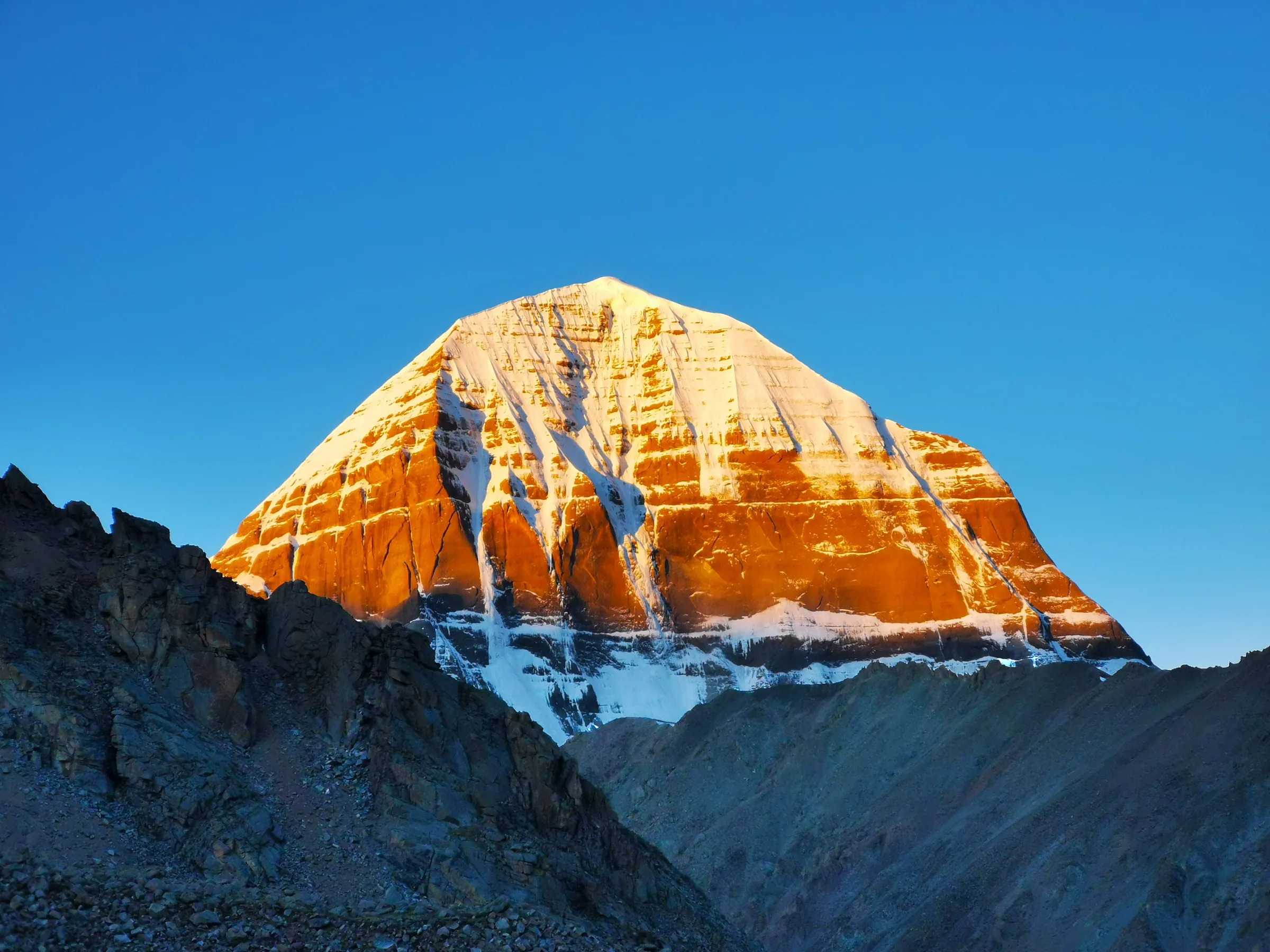
US$3,290
Tour Package🥾
Kailash Mansarovar Yatra – 15 Days
Duration: 15 Days|Difficulty: Moderate
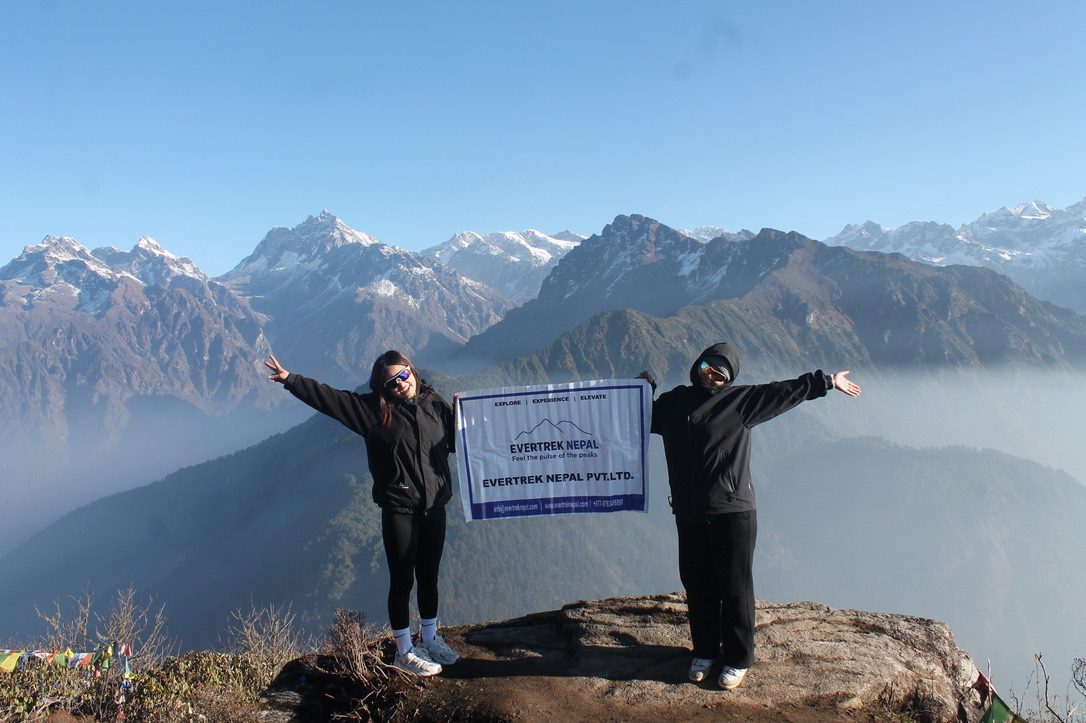
Tibet is a vast highland region on the Tibetan Plateau, known worldwide as the “Roof of the World.” It combines extreme altitude, ancient Buddhist culture, dramatic Himalayan scenery, and sacred pilgrimage landscapes.
For travelers from Nepal, Tibet is most famous for Lhasa, Shigatse, Everest’s north side, Mount Kailash, and Lake Manasarovar. Journeys here require careful permit planning, realistic acclimatization, and a professionally managed route.
| Aspect | Quick Facts |
|---|---|
| Location | Tibetan Plateau, East Asia; bordering Nepal, India, Bhutan, and several Chinese provinces |
| Administrative status | Tibet Autonomous Region of the People’s Republic of China |
| Capital | Lhasa |
| Area | About 1,221,600 sq. km / 471,700 sq. mi. |
| Population | 3,648,100 people in the 2020 census |
| Average elevation | Commonly above 4,000 m, with many routes crossing very high passes |
| Languages | Tibetan is widely spoken; Mandarin Chinese is also used officially |
| Currency | Chinese Yuan Renminbi (CNY) |
| Time zone | China Standard Time (UTC +8) |
| Major rivers | Yarlung Tsangpo/Brahmaputra, Indus headwaters, Sutlej, Mekong, Salween, Yangtze headwaters |
| Highest peak | Mount Everest / Qomolangma, 8,848.86 m on the Tibet–Nepal border |
| Wildlife | Wild yak, Tibetan antelope, black-necked crane, snow leopard, and blue sheep |
Tibet is defined by a vast high plateau, huge mountain systems, glacier-fed rivers, salt lakes, open grasslands, and dry alpine valleys. The Himalaya forms the dramatic southern rim, while the northern plateau stretches across some of the most remote country in Asia.
This geography makes Tibet visually powerful but physically demanding. Days can be sunny and dry, nights can become cold quickly, and weather changes are more noticeable at high elevation.
Tibetan Buddhist culture is visible in monasteries, prayer wheels, chortens, traditional architecture, and pilgrimage circuits around sacred places. Lhasa, Shigatse, Gyantse, and western Tibet each hold different layers of religious and trading history.
Travel here is not only about landscape. It is about moving respectfully through living cultural spaces where monasteries, local markets, yak-herding communities, and pilgrimage traditions remain central to daily life.
Most foreign travelers need a valid China visa and a Tibet Travel Permit before entering Tibet. Areas beyond Lhasa, including Everest-side routes and western Tibet near Mount Kailash, may require additional permits depending on the final itinerary.
Independent travel is generally not available for foreign tourists in Tibet. Evertrek Nepal coordinates itinerary planning and documentation timing with authorized local partners, but final permit approval always depends on current government rules.
The strongest travel window for central Tibet is usually April to October, when roads are more reliable and highland weather is comparatively stable. Spring and autumn bring clearer mountain visibility, while summer is warmer but can include rainfall in some regions.
For Kailash Mansarovar journeys, May to September is commonly preferred, with June to early September offering warmer nights. Exact departure planning should still account for road conditions, permit timing, festival dates, and border operations.
Altitude is the main safety consideration in Tibet. Travelers should build in acclimatization, avoid rushing to western Tibet, hydrate consistently, and report symptoms early. Headache, nausea, unusual fatigue, and poor sleep should never be ignored.
A professional itinerary should move gradually, keep strenuous walking after proper acclimatization, and include contingency planning. Travelers with heart, lung, blood pressure, or serious medical conditions should consult a doctor before confirming a high-altitude journey.
Cultural tours around Lhasa and Shigatse are usually moderate because sightseeing is vehicle-supported, but they still happen at altitude. Kailash Mansarovar and the three-day Kailash kora are difficult because of elevation, remoteness, long driving days, and the high Drolma La pass.
Good preparation includes walking fitness, layered clothing, sun protection, patience with slow travel days, and realistic expectations about basic facilities in remote western Tibet.
Essential equipment includes warm layers, windproof outerwear, comfortable walking shoes, insulated gloves, sun hat, sunglasses, high-SPF sunscreen, water bottle, personal medication, and a small daypack.
For Kailash departures, add a warmer sleeping layer, trekking poles, headlamp, reusable thermos, cold-weather socks, and personal snacks. Your final packing list should match the season and selected route.
Tibet’s cultural and natural environments require careful behavior. Travelers should ask before photographing people, dress modestly in monasteries, avoid touching sacred objects, walk clockwise around religious sites where appropriate, and follow guide instructions.
Reduce plastic waste, carry reusable bottles, keep trails clean, and respect local customs around prayer flags, mani stones, monasteries, and pilgrimage routes.
Tibet rules, border operations, and permit timing can change. Send your travel dates and passport nationality before booking international flights.