US$1,490
Tour Package🏯
Bhutan Cultural Tour – 7 Days
Duration: 7 Days|Difficulty: Moderate
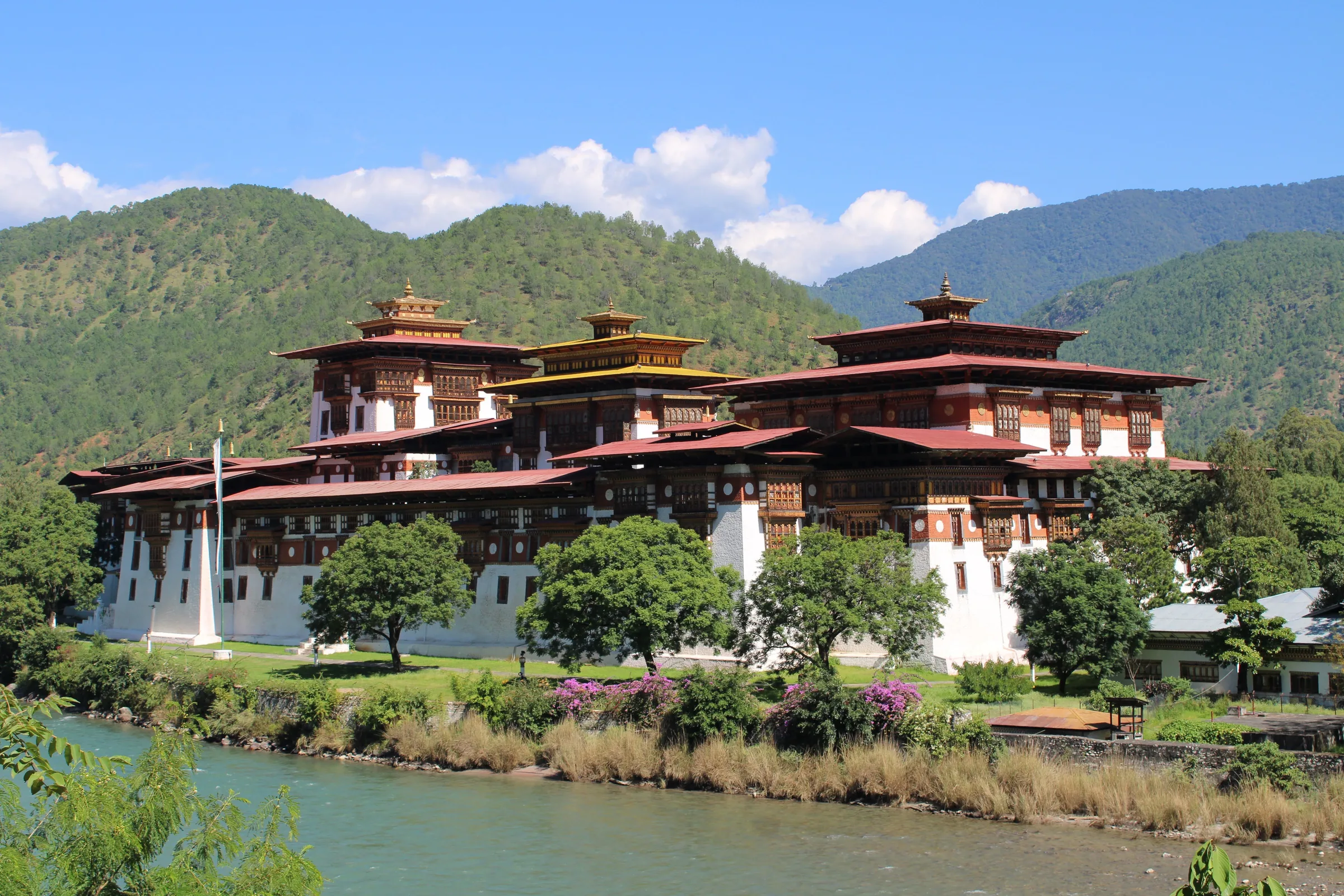
Bhutan is a peaceful Himalayan kingdom known as Druk Yul, the Land of the Thunder Dragon. It is admired for protected forests, refined Buddhist culture, traditional architecture, mountain valleys, and a careful approach to tourism.
A classic Bhutan journey links Paro, Thimphu, Punakha, and Tiger’s Nest Monastery, with optional extensions to Phobjikha, Trongsa, and Bumthang for deeper culture, wildlife, festivals, and rural landscapes.
| Aspect | Quick Facts |
|---|---|
| Location | Eastern Himalayas, landlocked between India and the Tibet region of China |
| Official name | Kingdom of Bhutan / Druk Yul |
| Capital | Thimphu |
| Area | 38,394 sq. km / 14,824 sq. mi. |
| Population | About 790,700 people, 2026 estimate |
| Government | Democratic constitutional monarchy |
| Official language | Dzongkha |
| Religion and culture | Vajrayana Buddhism is central to Bhutan’s spiritual and cultural identity |
| Currency | Bhutanese Ngultrum (BTN); Indian Rupee is also widely accepted |
| Time zone | Bhutan Time (UTC +6) |
| Highest peak | Gangkhar Puensum, about 7,570 m |
| National symbols | Takin, raven, Himalayan blue poppy, and cypress |
Bhutan rises from warm southern foothills to deep central valleys and high Himalayan peaks. This compact mountain kingdom has dramatic changes in elevation, climate, vegetation, and road conditions over short distances.
Most classic journeys focus on western and central Bhutan, including Paro, Thimphu, Punakha, Phobjikha, Trongsa, and Bumthang. These routes combine scenic drives, short hikes, dzongs, monasteries, forests, and traditional villages.
Bhutan’s identity is deeply connected to Vajrayana Buddhism, traditional architecture, fortress-monasteries, prayer flags, mask dances, and local festivals known as tshechus. The country protects cultural continuity carefully while managing modern development.
Travelers should dress modestly at religious sites, remove hats where required, walk respectfully inside dzongs and monasteries, and follow local guide instructions for photography and temple etiquette.
Most international visitors require a Bhutan visa or entry clearance arranged before travel. Bhutan also applies a Sustainable Development Fee, and the amount can vary by nationality, age, exemption category, and current government policy.
Evertrek Nepal coordinates planning with licensed Bhutan partners, but final visa, permit, and fee confirmation should always be checked before flights are fixed because official requirements may change.
Spring from March to May is excellent for rhododendrons, clear views, mild weather, and festival departures. Autumn from September to November is another prime season, with stable skies, comfortable walking temperatures, and strong Himalayan visibility.
Winter can be very rewarding in western Bhutan with fewer visitors and crisp mountain views, while summer brings lush green landscapes but also monsoon rain, cloud, and possible road delays.
A classic Bhutan cultural tour is generally easy to moderate because most travel is vehicle-supported, with optional hikes and sightseeing walks. Tiger’s Nest Monastery is the main physical highlight and requires a steady uphill walk.
Longer Bhutan treks, such as Druk Path or high-altitude routes, require stronger fitness, colder-weather preparation, and more detailed acclimatization planning.
For cultural tours, pack comfortable walking shoes, modest clothing for temples, warm layers, rain protection, sunglasses, sunscreen, daypack, reusable water bottle, and any personal medication.
For spring, autumn, or winter departures, include a fleece or down layer because mornings and evenings can be cold in Paro, Thimphu, Punakha high roads, and Phobjikha Valley.
Bhutan follows a carefully managed tourism model built around cultural respect, environmental protection, and local benefit. Travelers should reduce plastic waste, use refillable bottles, avoid littering, and respect silence inside monasteries.
Buying local crafts, using local guides, respecting dress codes, and allowing enough time for slower mountain roads all help create a better journey for both visitors and host communities.
Bhutan’s entry rules and Sustainable Development Fee can change. Send your travel dates and nationality before finalizing flights or hotel plans.